










Mr. Lyu: 13773181318
Mr. Tang: 15162611120

Process & Equipment

Suzhou Chuangkuo Technology is deeply engaged in the R&D and production of industrial-grade heat exchange equipment and special components. It has established a fully closed-loop standardized production process system covering raw material processing, precision forming, special welding, fine machining, surface treatment, all-dimensional inspection, and cleaning & warehousing. The company is equipped with a complete set of domestically produced manufacturing and inspection equipment, and strictly follows the ISO9001 and GJB9001 military quality management system. Every process is standardized, refined, and traceable, ensuring stringent tolerance control, high reliability, and high stability for products such as cold plates, PCHE microchannel heat exchangers, and microreactors, fully meeting the production standards of high-threshold industries including semiconductors, nuclear energy, and fine chemicals.

01
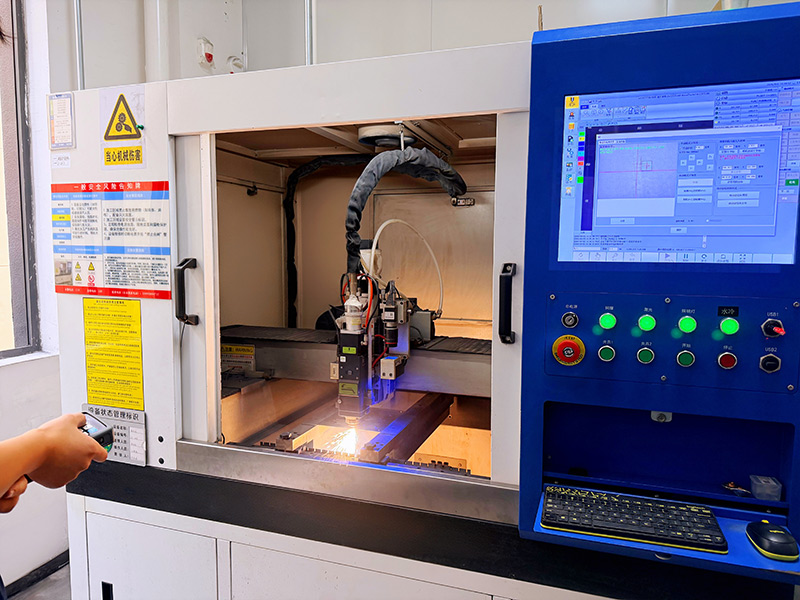
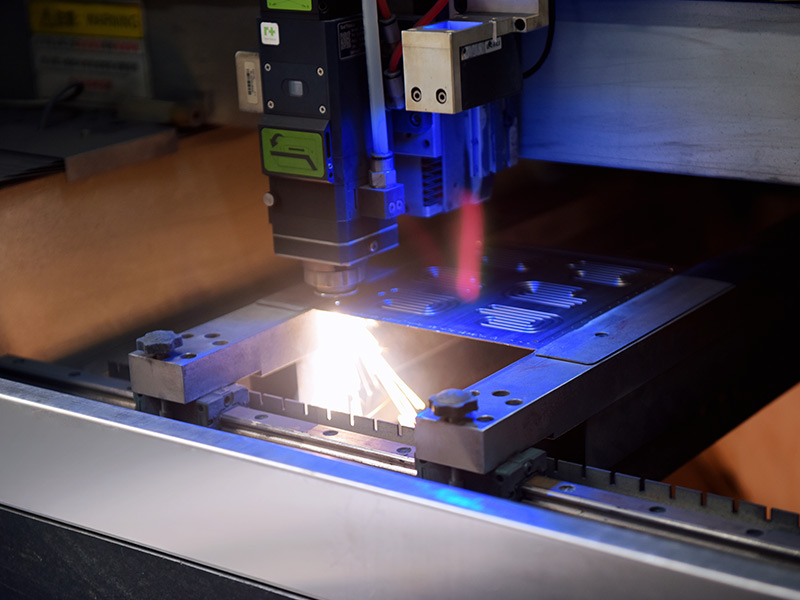
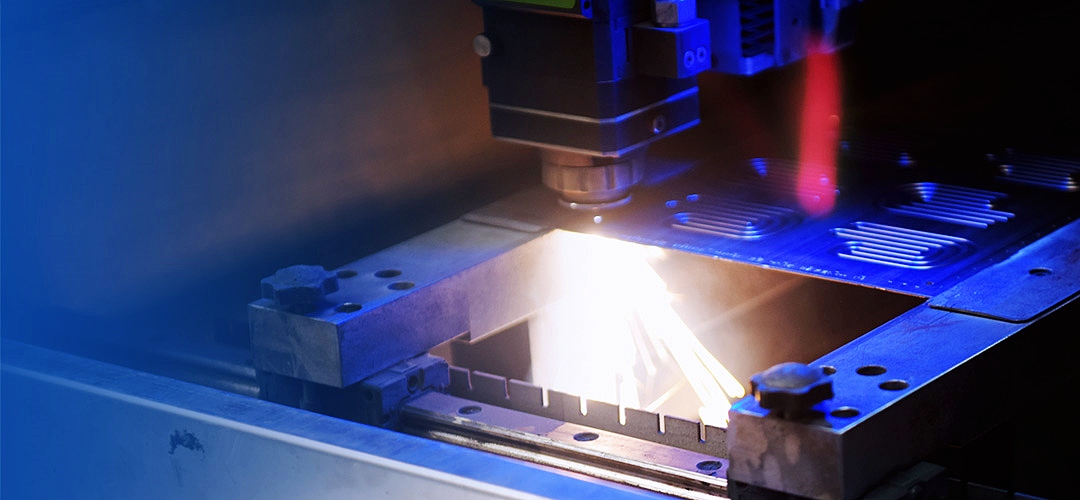
Laser Cutting Process

Process Introduction:As a core upstream process for raw material pretreatment, this operation uses CNC laser cutting technology to precisely cut various special metal sheets and profiles, such as stainless steel, titanium alloys, Hastelloy alloys, copper, and aluminum. It meets the blanking requirements for irregularly shaped and non-standard-sized parts for heat exchange equipment and specialty components, and serves as a fundamental process for ensuring blank accuracy and reducing downstream machining errors.

Core Equipment:Industrial CNC Laser Cutter.

Process Advantages:Cutting tolerance is controllable; cut edges are smooth and burr-free; thermal deformation is minimal, reducing subsequent grinding and correction. It supports cutting of various special metal materials and is suitable for both small-batch custom blanking and large-scale mass production. Cutting parameters are programmable, allowing them to match the dimensional requirements of various product drawings and improve raw material utilization.

Applicable Scenarios:Raw material cutting and blanking for various heat exchanger plates, heat dissipation substrates, equipment structural parts, microwave antenna substrates, etc.
02
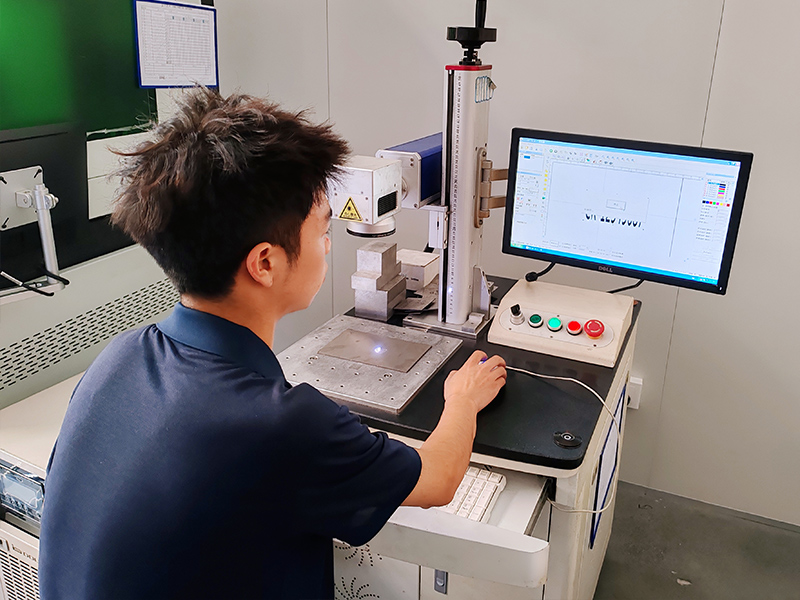
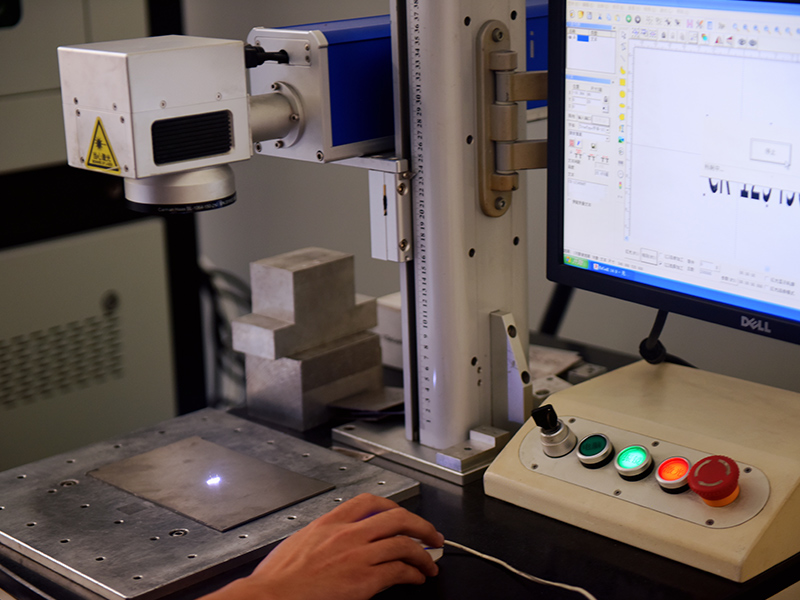
Laser Marking Process

Process Introduction:For finished and semi-finished workpieces, refined marking and engraving are carried out. Non-contact laser etching technology is used to engrave information such as product models, parameters, batch numbers, traceability codes, and company logos onto metal workpiece surfaces. It is a core process for product quality traceability and standardized management.

Core Equipment::Fully Automatic Laser Marking Machine.

Process Advantages:Marking is clear and highly wear-resistant, with excellent high-low temperature resistance and corrosion resistance, and is not prone to peeling off. With no mechanical contact, it causes no mechanical force impact on the workpiece and maintains the original surface precision and structural strength of the product. It supports batch automated marking and meets the full traceability management requirements of semiconductor products.

Applicable Scenarios:Identification marking and batch traceability numbering for all finished workpieces, including cold plates, wafer heat sinks, PCHE heat exchangers, microwave antennas, and others.

03
Laser Plate Forming Process

Process Introduction:For finished and semi-finished workpieces, refined marking and engraving are carried out. Non-contact laser etching technology is used to engrave information such as product models, parameters, batch numbers, traceability codes, and company logos onto metal workpiece surfaces. It is a core process for product quality traceability and standardized management.

Core Equipment:Multi-Functional Integrated Laser Forming Machine.

Process Advantages:Forming tolerances are controllable, with minimal flatness and curvature errors of plates. The forming process generates low stress deformation, ensuring subsequent welding and assembly accuracy. It enables one-time forming of complex irregular plates, simplifying production processes and improving product consistency.

Applicable Scenarios:Forming and machining of PCHE microchannel heat exchanger plates, cold plate substrates, and various high-standard heat dissipation plates.

04
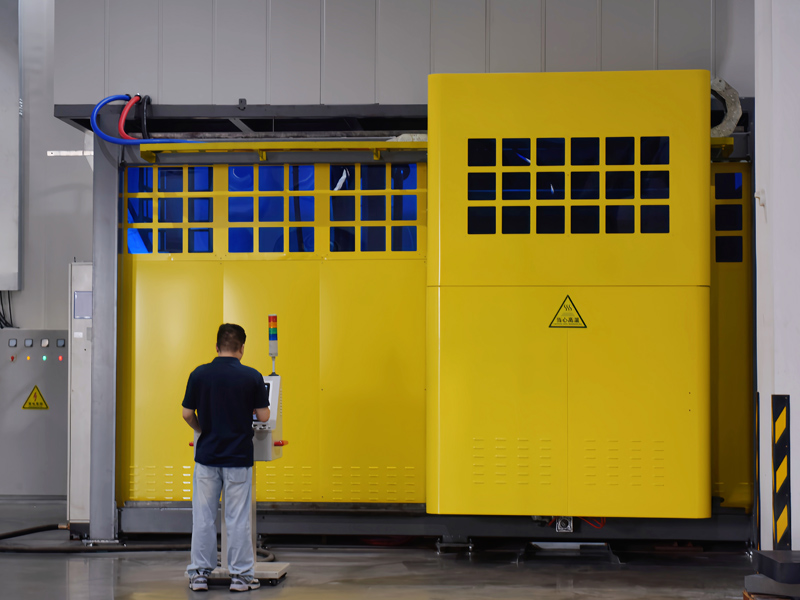
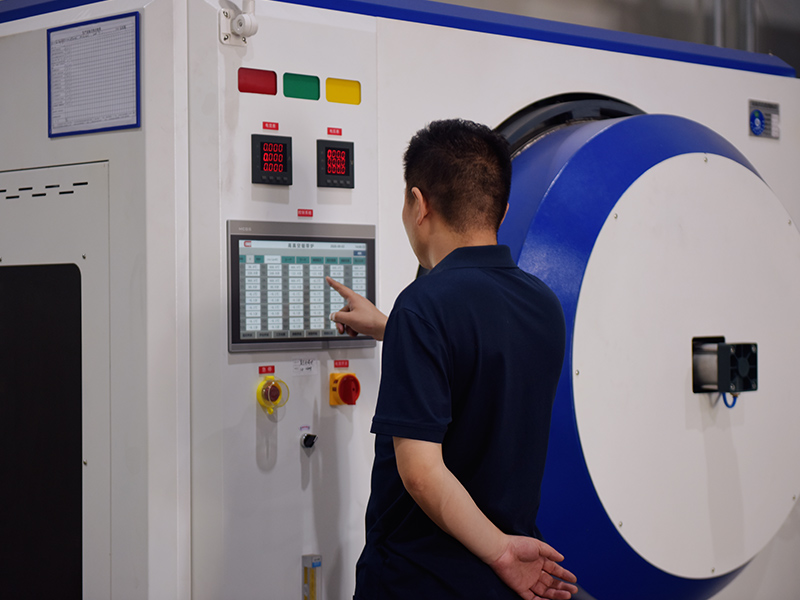
Diffusion Bonding Process

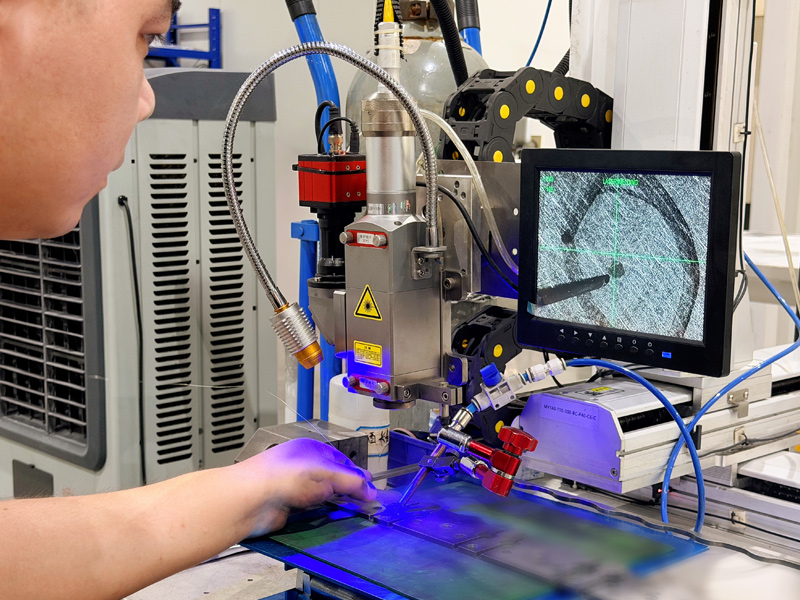
Process Introduction: The company's core special welding process is also a key procedure in the production of industrial-grade heat exchange equipment. Through a vacuum high-temperature and high-pressure environment, atoms on the contact surfaces of metal plates diffuse into each other, achieving gasket-free, weld-seam-free integrated forming and welding. It can address common issues in traditional welding such as leakage, deformation, and insufficient sealing, and is suitable for compliant products with high-temperature, high-pressure, and high-sealing requirements. It is also complemented by brazing and laser welding processes to meet the welding needs of different products.

Core Equipment:Vacuum Diffusion Bonding Equipment, Vacuum Furnace Brazing Equipment, CNC Laser Spot Welding Machine.

Process Advantages:Integrated forming without gaskets, with excellent airtightness, capable of passing helium mass spectrometer leak detection. The welded structure offers high strength, resistance to high temperature, high pressure, and deformation. Welding deformation is minimal, ensuring high dimensional accuracy of products. It is suitable for welding special materials such as titanium alloy, Hastelloy, and stainless steel, and can meet the stringent standards of the semiconductor industry.

Applicable Scenarios:Sealing welding and integrated forming for the full series of core heat exchange products, including cold plates, PCHE microchannel heat exchangers, skin heat exchangers, wafer heat sinks, and others.


05
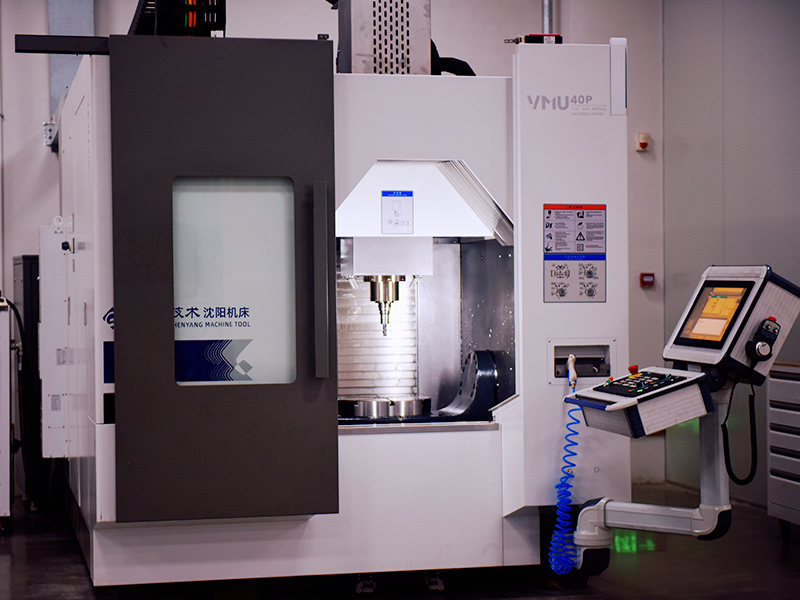
Precision Machining Process

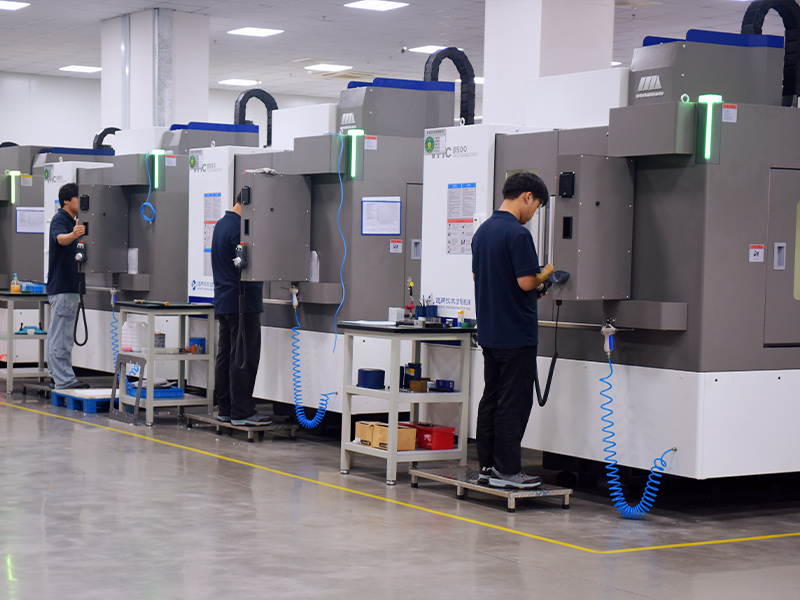
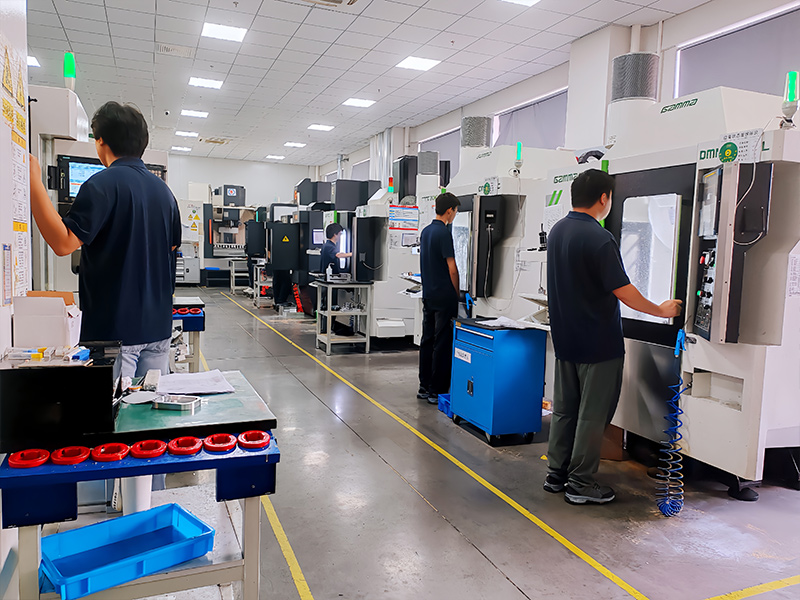
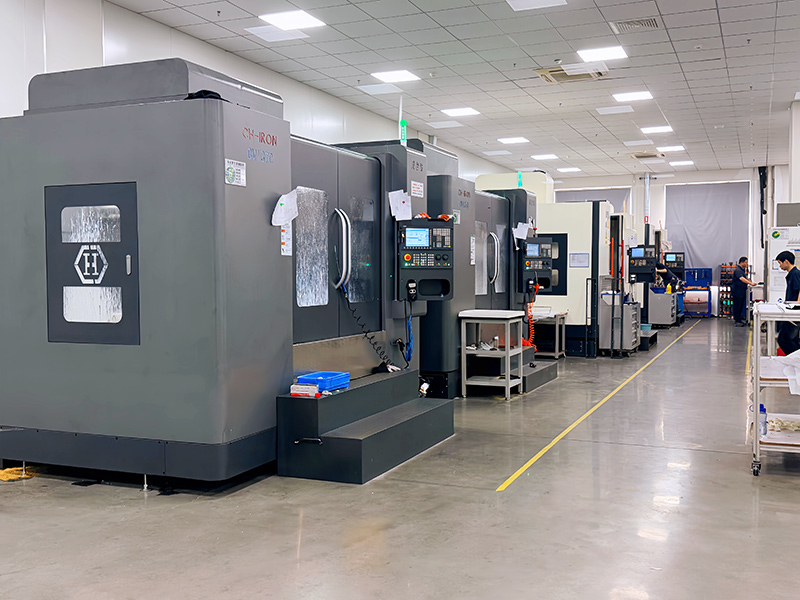
Process Introduction:For workpieces after forming and welding, refined finish machining is carried out, including full-process CNC machining such as milling, drilling, grooving, and profile modification. Strictly in accordance with drawing tolerance requirements, it completes refined processing of product flow channels, interfaces, mounting positions, and special structures, ensuring product assembly accuracy and service performance.

Core Equipment:Multi-station CNC machine tools, five-axis linkage machine tools.

Process Advantages:Micron-level tolerance control with strictly controllable geometric errors. It supports CNC machining of complex structures and irregular workpieces, and is adaptable to both small-batch prototype finish machining and large-scale standardized production, ensuring high product consistency. The entire process follows military quality management and control standards, with full process traceability.

Applicable Scenarios:Finish machining of special microwave antenna structures, microreactor flow channel structures, interfaces for various heat exchange equipment, and mounting structures.

06
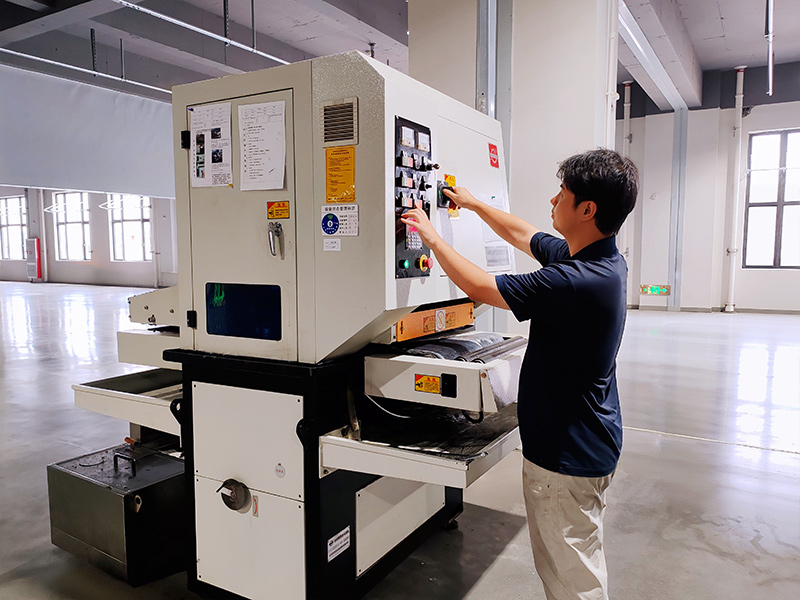
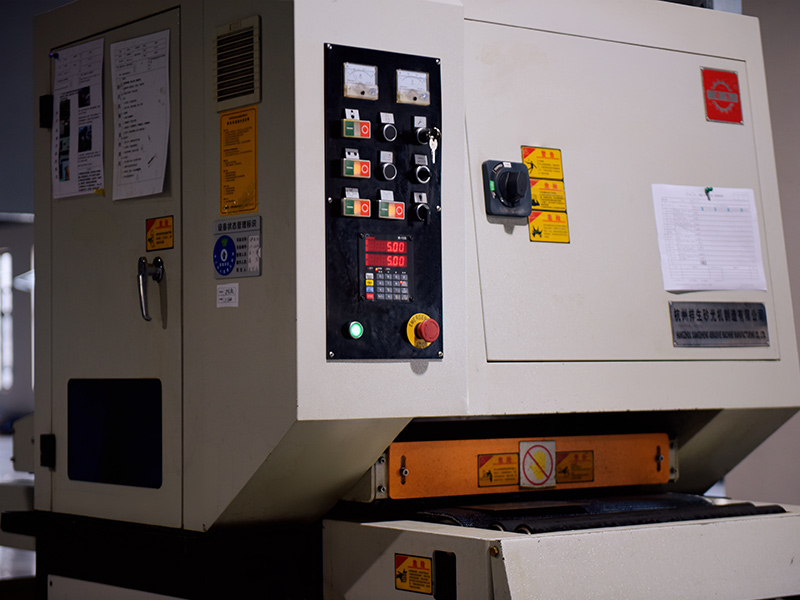
Sanding Process

Process Introduction:Product surface refinement process: professional sanding equipment is used to grind, polish, deburr, and level workpiece surfaces, cut edges, and weld seams, removing residual processing defects, optimizing surface flatness and smoothness, and improving the corrosion resistance and appearance quality of workpieces.

Core Equipment:Fully Automatic Sanding Machine.

Process Advantages:Uniform surface treatment with no scratches or burrs, preserving the original dimensional standards of workpieces. It is suitable for grinding and treatment of various metal materials, balancing appearance quality and product safety. It provides a high-quality foundation for subsequent cleaning, inspection, and assembly processes.

Applicable Scenarios:Surface leveling, deburring, and polishing treatment for all semi-finished products after machining and welding.

07
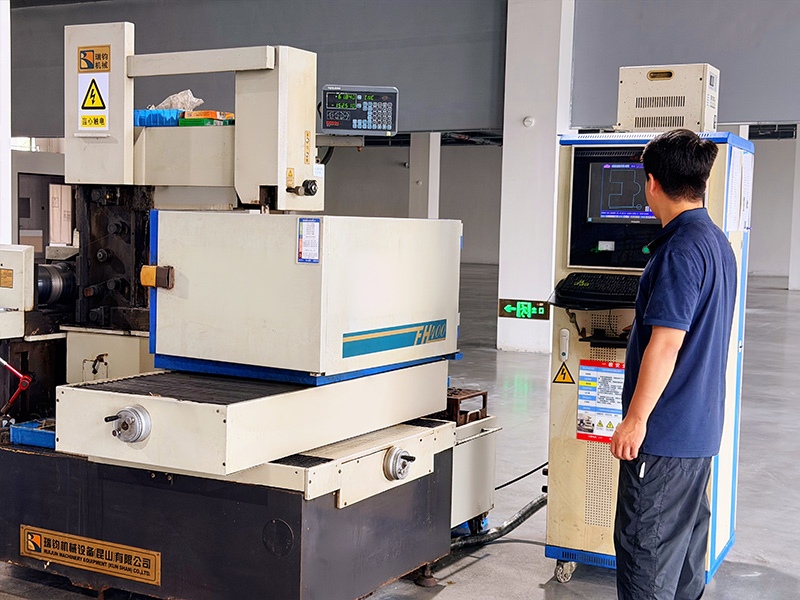
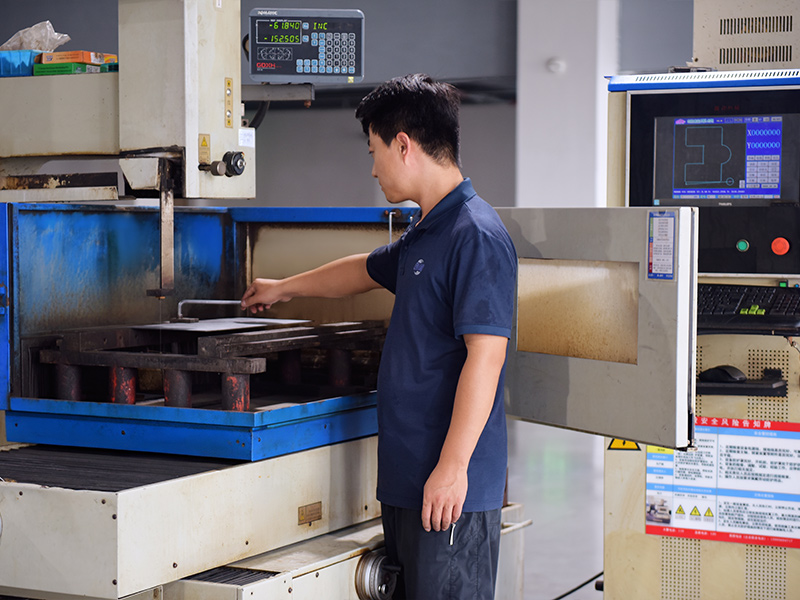
Wire EDM Process

Process Introduction:For precision cutting of workpieces with high hardness, tight tolerances, and complex irregular structures, wire EDM technology is used to precisely cut difficult-to-machine materials such as cemented carbide and special steels, completing narrow slots, small holes, and irregular contour machining that conventional equipment cannot achieve.

Core Equipment:CNC Wire EDM Machine.

Process Advantages:It can machine high-hardness special metals with no cutting stress and minimal workpiece deformation. Cutting tolerances are strictly controlled, making it suitable for micro-structure machining. It can handle complex irregular structure machining requirements and meet the production needs of special semiconductor components.

Applicable Scenarios:Machining of irregular microwave antenna structures, microreactor microchannel components, and irregular parts for high-quality heat dissipation equipment.


08
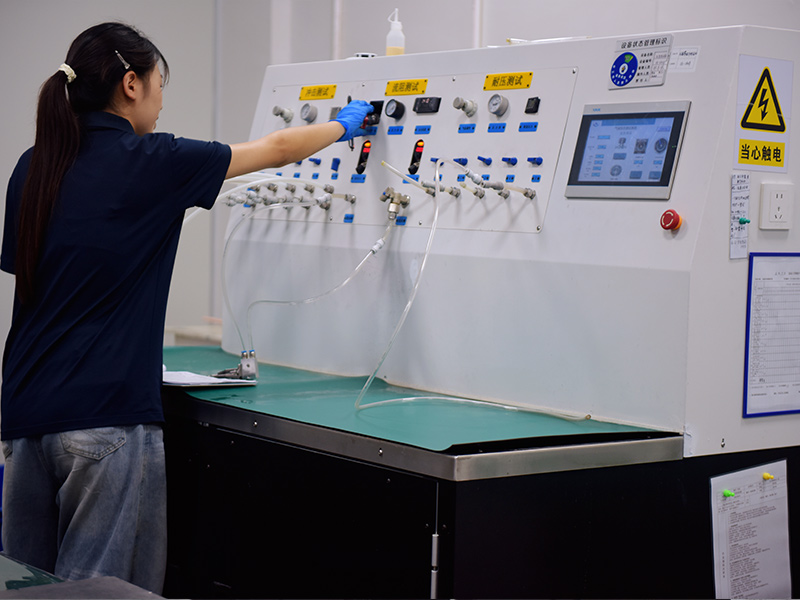
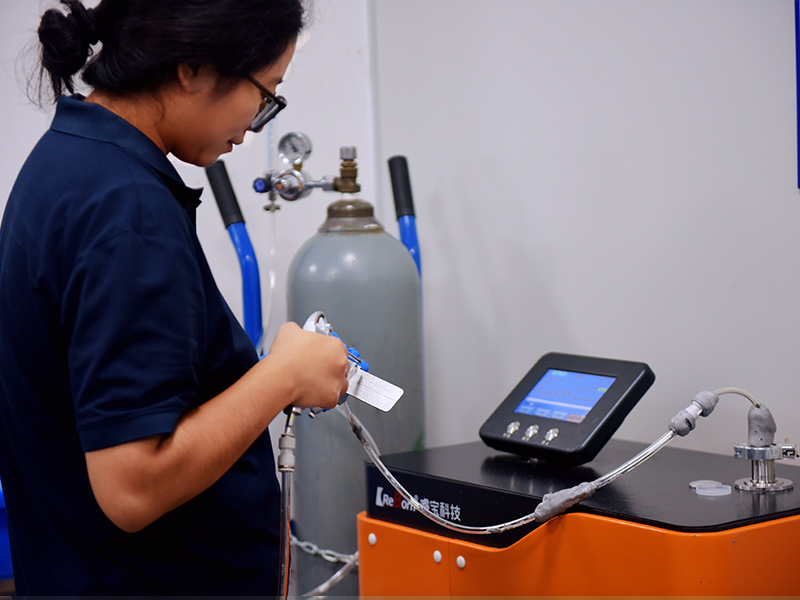
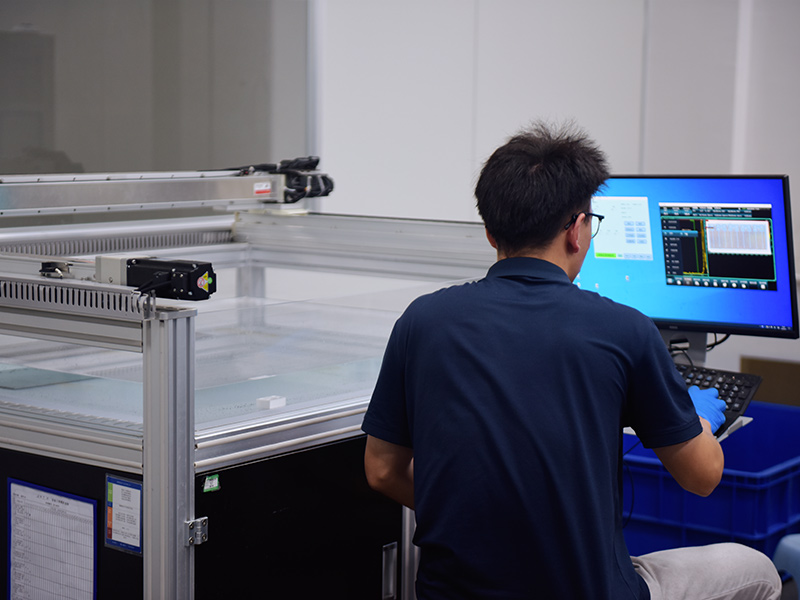
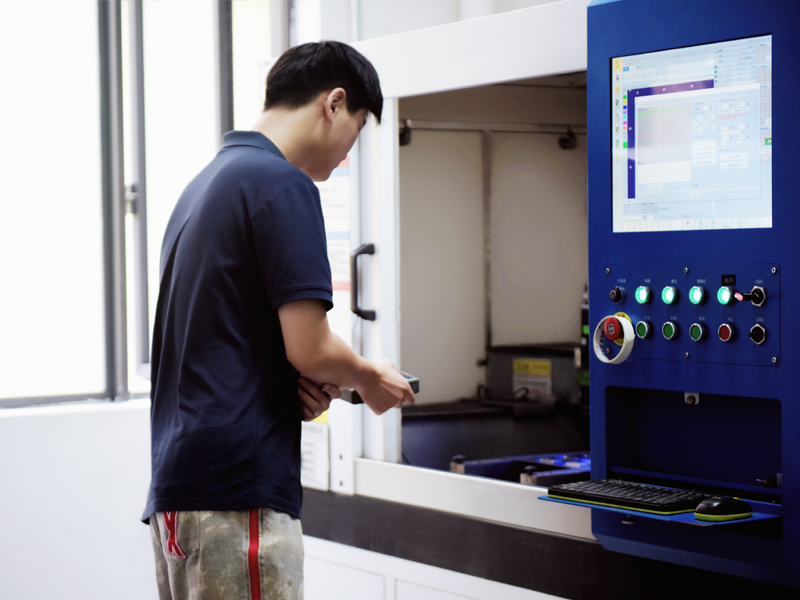
Performance Testing Process

Process Introduction:Core product performance and reliability testing procedures: comprehensive testing of finished and semi-finished products is conducted across sealing performance, pressure-bearing performance, structural integrity, and flow channel performance to identify issues such as leakage, insufficient pressure resistance, abnormal flow resistance, and structural defects in advance, strictly ensuring product reliability in use.

Core Equipment:Flow Resistance and Pressure Holding Test Equipment, Helium Mass Spectrometer Leak Detection Equipment, Ultrasonic C-Scan Inspection Equipment.

Process Advantages:Covering core performance testing, it can simulate real operating conditions. Helium leak detection can identify micro-leakage and meet stringent semiconductor sealing standards. Ultrasonic C-scan can detect internal welding defects and ensure the integrity of internal product structures. All inspection data can be archived and traced, and inspection reports can be issued.

Applicable Scenarios:Non-destructive testing of sealing performance, pressure-bearing performance, and internal structures for all heat exchange equipment and special components.


09
Dimensional Inspection Process

Process Introduction:Product dimensional accuracy inspection process: comprehensive verification and measurement of finished workpieces' external dimensions, flow channel dimensions, installation tolerances, and geometric accuracy are carried out to verify whether products meet drawing design standards and industry specifications, reducing the flow of dimensionally deviated products into the next process.

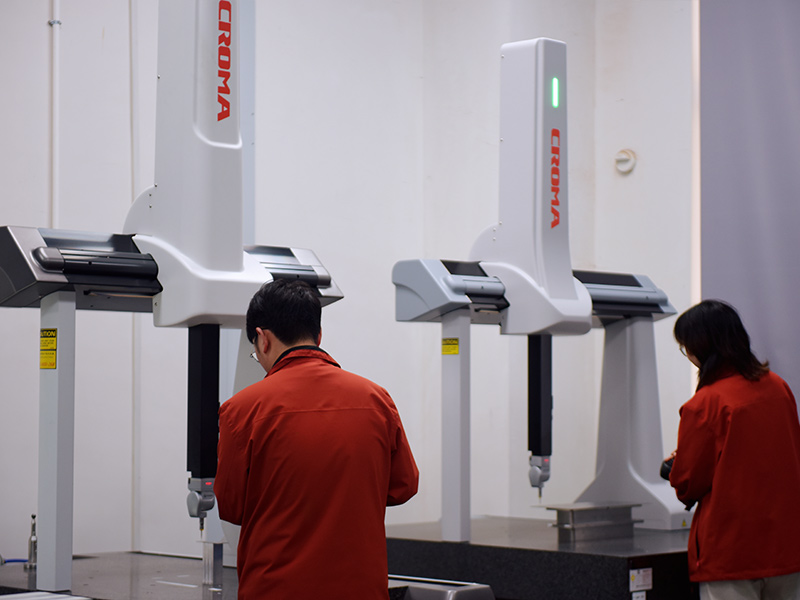
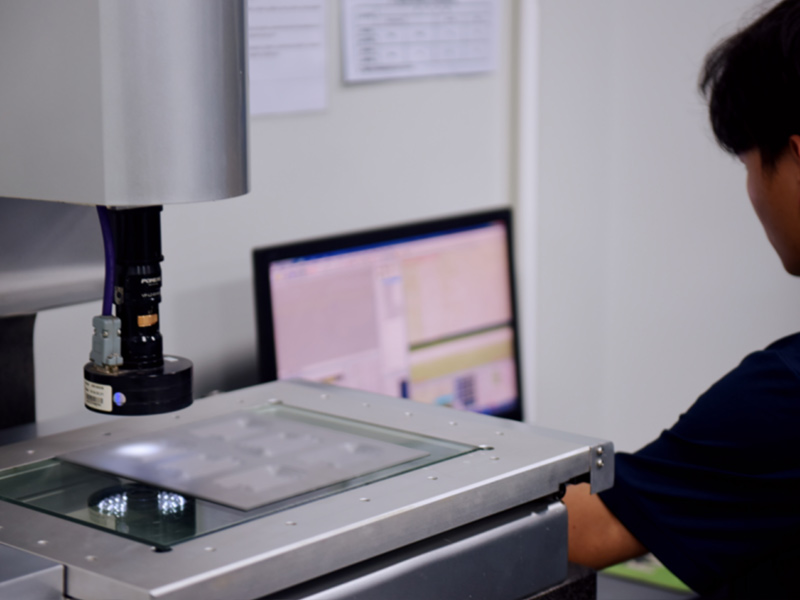
Core Equipment:Coordinate Measuring Machine (CMM), 2D Vision Measuring Machine.

Process Advantages:Micron-level inspection standards with high data accuracy. Fully automatic inspection efficiently supports batch product testing. It can inspect complex curved surfaces, irregular structures, and micro dimensions, comprehensively ensuring product assembly accuracy. Inspection data can be retained to achieve full-process quality traceability.

Applicable Scenarios:Dimensional accuracy verification for semi-finished and finished products across the full series, and dedicated dimensional inspection for high-standard semiconductor products.


10
Precision Cleaning Process

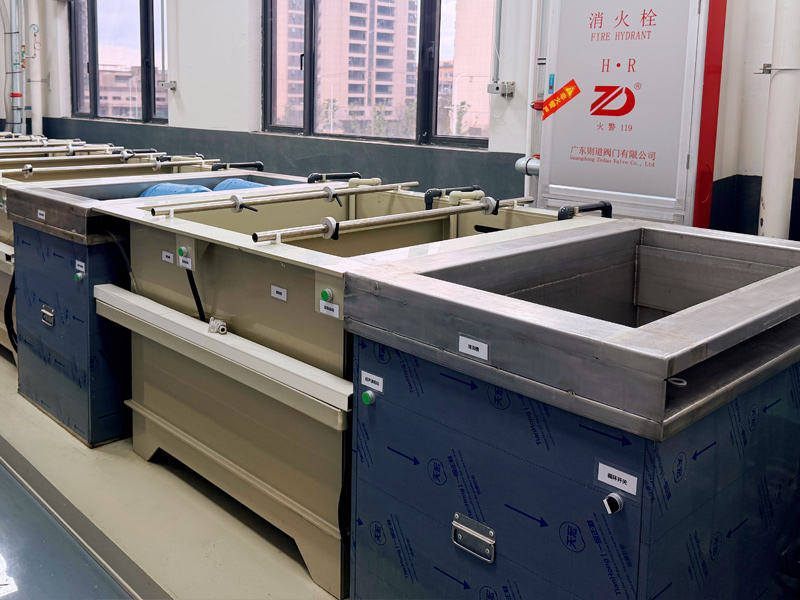
Process Introduction:Standardized cleaning process before product delivery: through a full set of automated cleaning lines, comprehensive deep cleaning is carried out on internal flow channels, surface oil, dust, metal debris, and processing residues of workpieces, with a focus on ensuring the high-cleanliness requirements of semiconductors and industrial-grade heat exchange equipment.

Core Equipment:Fully automatic cleaning production line complete equipment, Class 1,000 cleanroom.

Process Advantages:Automated cleaning on the production line reduces cleaning dead zones and can remove impurities inside flow channels. It is suitable for cleaning microchannel products while preserving their original structure and dimensional performance. It meets the high-cleanliness standards of the semiconductor industry and reduces the risk of equipment blockage and failure caused by impurities.

Applicable Scenarios:Deep cleaning of products with high cleanliness requirements, including wafer heat sinks, microreactors, PCHE microchannel heat exchangers, and high-standard cold plates.

11
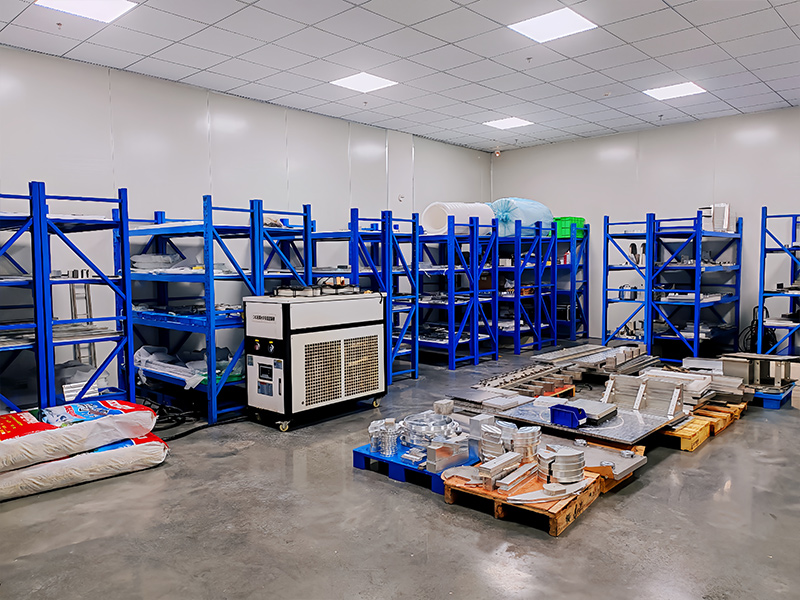
Standardized Inbound Process

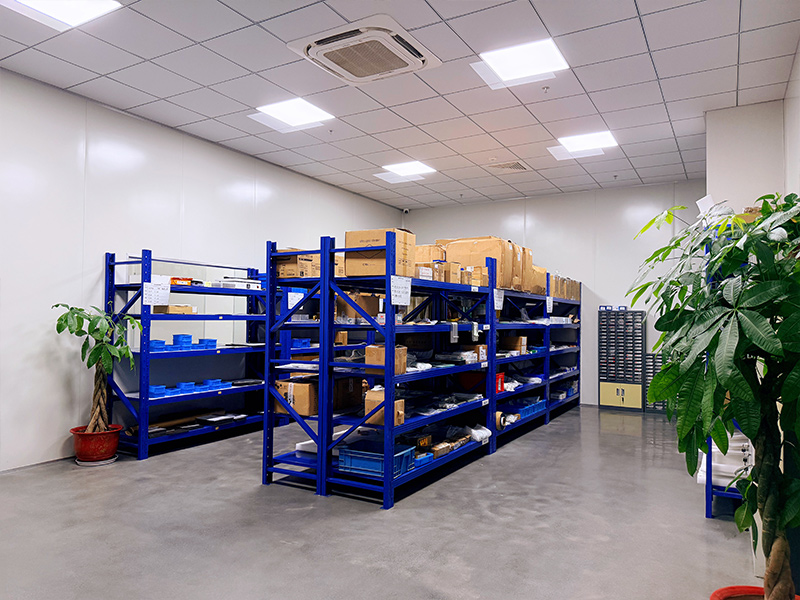
Process Introduction:The final finishing process of product production: after all products complete the full process of machining, inspection, cleaning, and quality control, appearance re-inspection, parameter review, classification marking, protective packaging, and ledger registration are carried out to achieve standardized warehousing management. At the same time, the complete set of production, inspection, and traceability documentation is archived in sync, ensuring full traceability throughout product delivery, handover, and after-sales service.

Process Advantages:Strict finished product re-inspection mechanism to reduce nonconforming products entering warehousing. Refined classification management with clear inventory ledgers ensures efficient and accurate shipment. A complete set of production and inspection documentation is archived in sync to meet the traceability audit requirements of major customers. Professional protective packaging reduces the risk of collision, corrosion, and contamination during transportation and storage.

Applicable Scenarios:Standardized warehousing, storage management, and outbound delivery support for all finished products.


Chuangkuo Technology relies on a fully independent and controllable production process and manufacturing equipment system. From raw material processing to finished product warehousing, every procedure is under standardized, refined, and digitalized control. With core diffusion bonding technology at its heart, combined with a full set of CNC machining and intelligent inspection equipment, the company balances customized R&D and large-scale production, continuously providing customers in semiconductors, nuclear energy, fine chemicals, and other fields with industrial-grade heat exchange equipment and special components featuring controllable tolerances, stable performance, and full traceability, and fully advancing the domestic substitution of industrial thermal management equipment.